What is Medical Detox? A Complete Guide for 2026
Medical detox helps the body safely clear drugs or alcohol under supervision. Here's what to expect, how long it takes, and how to choose one.
Medical detox is often the first real step someone takes toward getting sober, and it’s also one of the most misunderstood parts of addiction treatment. People picture it as either a quick fix or a terrifying ordeal, and neither picture is accurate. In reality, medical detox is a structured, supervised process designed to manage withdrawal safely while a person’s body adjusts to functioning without drugs or alcohol.
If you or someone you love is considering treatment, understanding what medical detox actually involves can make the decision less overwhelming. This guide walks through what happens during detox, wh y medical supervision matters, how long the process typically lasts, what symptoms to expect, and how to pick a program that actually fits your needs.
We’ll also look at the difference between detox and rehab, since the two get confused constantly, and cover what insurance typically covers so cost doesn’t catch you off guard. By 2026, addiction treatment has become more personalized than ever, with programs tailoring detox protocols to specific substances, co-occurring mental health conditions, and individual medical histories.
That shift matters because withdrawal from something like alcohol or benzodiazepines can be medically dangerous, while withdrawal from other substances is more about managing discomfort than preventing life-threatening complications. Knowing the difference is part of what this guide is here to explain, in plain language, without the scare tactics or the sales pitch.
What Is Medical Detox?
Medical detox, short for medically supervised detoxification, is the process of removing drugs or alcohol from the body while a team of doctors, nurses, and clinicians monitors and manages the withdrawal symptoms that follow. It’s the first phase of addiction treatment, not the whole treatment itself.
The goal of medical detox isn’t just to get substances out of someone’s system. It’s to do that in a way that’s safe, as comfortable as possible, and sets the person up to continue into further treatment like inpatient rehab, outpatient counseling, or a structured recovery program.
During detox, staff typically:


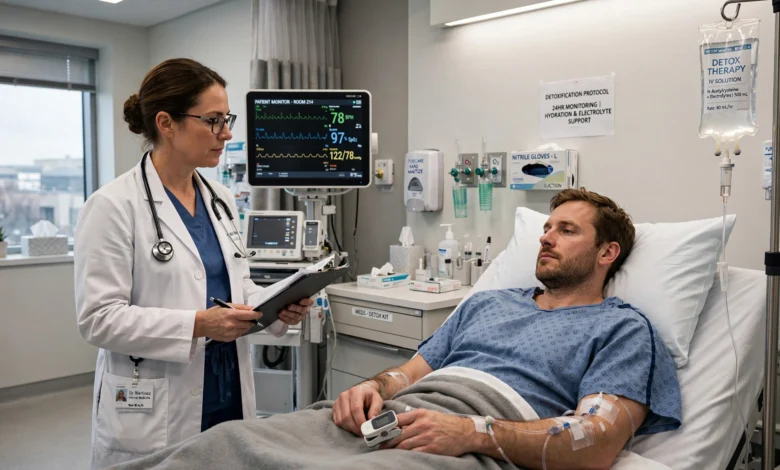
- Monitor vital signs like heart rate, blood pressure, and temperature
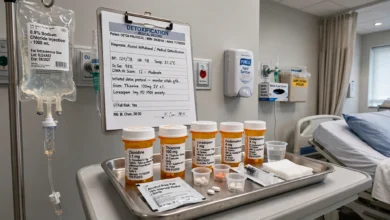
- Administer medications to ease withdrawal symptoms or prevent complications
- Watch for signs of medical distress, including seizures or severe dehydration
- Provide emotional support and initial counseling
- Assess for co-occurring mental health conditions that need to be addressed alongside the substance use
Without medical supervision, withdrawal from certain substances, particularly alcohol, benzodiazepines, and opioids, can be unpredictable and, in some cases, fatal. That’s the core reason medical detox exists as its own distinct phase of care rather than something people are expected to just push through on their own.
Why Medical Supervision Matters
A lot of people assume detox is simply about willpower, gritting your teeth until the cravings pass. That assumption can be dangerous. Withdrawal isn’t just uncomfortable; for some substances, it carries real medical risk.
Withdrawal Can Be Physically Dangerous
Alcohol and benzodiazepine withdrawal, in particular, can trigger seizures, hallucinations, and a condition called delirium tremens (DTs), which can be fatal if untreated. According to the National Institute on Drug Abuse, withdrawal from certain substances requires close medical monitoring precisely because complications can escalate quickly without intervention.
Medications Can Reduce Risk and Discomfort
In a medical detox setting, clinicians can use medications like benzodiazepines (for alcohol withdrawal, ironically enough, under careful tapering), buprenorphine or methadone (for opioid withdrawal), or other supportive medications to ease nausea, anxiety, and insomnia. These tools aren’t available to someone detoxing alone at home.
Relapse Risk Is Lower With Support
People who attempt to detox without support are statistically more likely to relapse, sometimes at a higher overdose risk than before, since the body’s tolerance drops during even a short period of abstinence. A supervised medical detox program reduces that risk by keeping the person in a stable, substance-free environment while the acute phase passes.
The Medical Detox Process: What to Expect
Every program looks a little different, but most medical detox programs follow a similar general structure.
Step 1: Initial Assessment
Before detox begins, a clinical team conducts a thorough evaluation. This usually includes:
- A full medical history and physical exam
- A review of substance use patterns, including type, frequency, and duration
- Screening for co-occurring mental health conditions
- Lab work, including bloodwork and sometimes toxicology screening
This assessment determines the specific detox protocol, including which medications might be used and how closely the person needs to be monitored.
Step 2: Stabilization
This is the core of medical detox. During stabilization, the person is monitored around the clock (in an inpatient setting) or checked in with regularly (in some outpatient models) as withdrawal symptoms emerge and are managed. Medications are adjusted as needed, and staff watch closely for any signs of complications.
Step 3: Transition Planning
Detox is not the end of treatment, it’s the beginning. Before someone completes medical detox, staff typically work with them to plan the next step, whether that’s inpatient rehab, a partial hospitalization program, intensive outpatient treatment, or ongoing therapy and support groups.
Skipping this step is one of the most common reasons people relapse shortly after detox. The body may be clear of substances, but the underlying patterns, triggers, and mental health factors that drove the addiction haven’t been addressed yet.
How Long Does Medical Detox Take?
The timeline for medical detox depends heavily on the substance involved, how long and heavily it was used, and the individual’s overall health. Rough general timelines look like this:
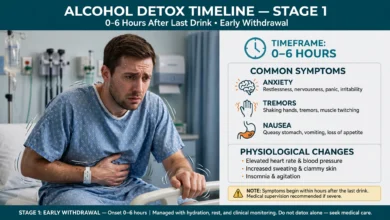
- Alcohol: Symptoms often begin within 6-24 hours of the last drink and can last 5-7 days, though some symptoms (like anxiety and sleep disturbances) can linger longer
- Opioids: Withdrawal typically starts within 8-24 hours and peaks around 72 hours, with acute symptoms tapering off over 5-10 days
- Benzodiazepines: Withdrawal can be slower to emerge and may require a tapering schedule over weeks, given the risk of severe complications with abrupt cessation
- Stimulants (cocaine, methamphetamine): Physical withdrawal is often less medically dangerous, but the psychological symptoms, including depression and intense cravings, can last for weeks
These are general ranges, not guarantees. Two people using the same substance can have very different withdrawal experiences depending on genetics, mental health history, and how their body processes the substance.
Common Withdrawal Symptoms Managed During Detox
Symptoms vary by substance, but some of the most common ones addressed during medical detox include:
- Nausea and vomiting
- Sweating and chills
- Elevated heart rate and blood pressure
- Anxiety and irritability
- Insomnia or disrupted sleep
- Muscle aches and tremors
- Seizures (in severe alcohol or benzodiazepine withdrawal)
- Intense cravings
Managing these symptoms isn’t just about comfort. Left unmanaged, several of them, particularly cardiovascular symptoms and seizures, can become genuine medical emergencies.
Types of Medical Detox Programs
Not all medical detox programs look the same, and the right setting depends on the substance involved, the severity of the addiction, and the person’s overall health and support system.
Inpatient Medical Detox
Inpatient programs provide 24/7 supervision in a hospital or dedicated detox facility. This is typically recommended for people withdrawing from alcohol, benzodiazepines, or opioids, or anyone with a history of severe withdrawal symptoms, seizures, or unstable medical conditions.
Outpatient Medical Detox
Outpatient detox allows a person to receive medication and monitoring while continuing to live at home, checking in with a clinical team regularly. This option works best for people with mild to moderate dependence, stable home environments, and lower medical risk.
Ambulatory Detox
A middle-ground option, ambulatory detox involves daily visits to a clinic for monitoring and medication, without an overnight stay. It offers more structure than standard outpatient care while still allowing the person to maintain daily responsibilities like work or family obligations.
Medical Detox vs. Rehab: What’s the Difference?
This is one of the most common points of confusion, so it’s worth spelling out clearly.
- Medical detox focuses on the physical process of clearing substances from the body and managing withdrawal symptoms safely. It typically lasts a matter of days to a couple of weeks.
- Rehab (whether inpatient or outpatient) addresses the underlying behavioral, psychological, and social factors behind the addiction through therapy, counseling, and structured programming. It typically lasts anywhere from a month to several months.
Think of it this way: detox stabilizes the body, rehab rebuilds the life around it. Skipping straight to rehab without detox can be dangerous for substances with severe withdrawal risk, and skipping rehab after detox leaves the root causes of addiction unaddressed.
How to Choose a Medical Detox Program
Picking the right medical detox program can feel overwhelming, especially in a moment of crisis. A few practical things worth checking:
- Accreditation and licensing: Confirm the facility is licensed by the state and accredited by a recognized body such as The Joint Commission or CARF
- Medical staff availability: Ask whether physicians and nurses are on-site 24/7, not just on call
- Substance-specific experience: Programs that regularly treat withdrawal from your specific substance tend to have more refined protocols
- Continuum of care: A good detox program should have a clear plan for transitioning into rehab or ongoing treatment, not just a plan to get someone through withdrawal and out the door
- Insurance and cost transparency: Ask upfront what’s covered and what isn’t, so there are no surprises
The Substance Abuse and Mental Health Services Administration maintains a national helpline and treatment locator that can help you find licensed, accredited detox and treatment programs in your area.
Does Insurance Cover Medical Detox?
Most major insurance plans, including many Marketplace plans under the Affordable Care Act, are required to cover some level of substance use disorder treatment, including medical detox, as an essential health benefit. That said, coverage details vary widely:
- Some plans require prior authorization before covering detox
- In-network facilities typically cost significantly less out of pocket than out-of-network ones
- Medicaid and Medicare also cover detox services in many cases, though specifics depend on the state and plan
- Many detox facilities have financial counselors who can help verify benefits before admission
If cost is a concern, it’s worth calling your insurance provider directly and asking specifically about coverage for “medically supervised detoxification” and “substance use disorder treatment,” since terminology can affect what gets approved.
Is Medical Detox Necessary for Everyone?
Not everyone needs a formal medical detox program. For substances with lower physical dependence risk, some people can safely reduce or stop use with outpatient support and monitoring. However, medical detox is generally strongly recommended, or necessary, for:
- Long-term or heavy alcohol use
- Benzodiazepine dependence
- Opioid dependence, especially with a history of high doses or long duration of use
- Anyone with a history of seizures during past withdrawal attempts
- People with co-occurring medical conditions like heart disease or diabetes that could complicate withdrawal
When in doubt, a conversation with a doctor or addiction specialist before attempting to stop use is the safest first move. Self-assessing the severity of dependence isn’t always reliable, and the risk of getting it wrong is high enough that professional input is worth the extra step.
Conclusion
Medical detox is a supervised, medically managed process that helps the body safely clear drugs or alcohol while minimizing the physical risks and discomfort of withdrawal. It typically involves an initial assessment, a stabilization period where symptoms are actively managed, and a transition plan into further treatment like rehab or outpatient care.
The right setting, whether inpatient, outpatient, or ambulatory, depends on the substance involved and the individual’s medical history, and choosing an accredited, experienced program matters just as much as choosing to start the process at all. Detox alone isn’t a cure for addiction, but it’s often the necessary first step that makes everything after it possible.