At-Home Detox vs Medical Detox: Which is Safer?
At-home detox vs medical detox: compare withdrawal risks, safety, and support to help you or a loved one choose the safer path to recovery.

At-home detox and medical detox are two very different paths to the same goal: getting a substance out of your system safely so recovery can begin. But “different” doesn’t mean “equally safe.” Every year, people attempt to quit drugs or alcohol on their own at home, sometimes because of cost, embarrassment, or simply not knowing that supervised care exists.
Some make it through without major issues. Others end up in the emergency room, or worse, because withdrawal from certain substances can trigger seizures, dangerous heart rhythms, or severe dehydration that spirals fast.
This article breaks down what actually happens during at-home detox versus medical detox, who each option realistically works for, and where the real safety risks hide. We’ll look at withdrawal symptoms substance by substance, the medical support available in a supervised setting, and the honest trade-offs of trying to detox alone.
If you or someone you care about is thinking about quitting alcohol, opioids, benzodiazepines, or another substance, this comparison is meant to help you make a decision based on facts, not guesswork. Safety should drive this choice, not convenience or cost alone, because withdrawal is one of the few moments in addiction recovery where the wrong decision can have immediate physical consequences.
What Is At-Home Detox?
At-home detox means stopping or tapering off a substance without medical staff present, usually in your own house or apartment. Some people do this completely alone. Others have a family member or friend checking in on them periodically.
How It Works
There’s no fixed protocol for at-home detox because it isn’t a supervised medical process. Typically, someone will:
- Stop using the substance abruptly (“cold turkey”) or taper the dose down gradually
- Rely on over-the-counter medications for symptoms like nausea, headaches, or muscle aches
- Try to stay hydrated and rest through the worst of the withdrawal period
- Lean on a friend or family member for basic support and monitoring
There’s no access to prescription medications that ease withdrawal, no vital sign monitoring, and no one trained to recognize when symptoms are turning dangerous.

Who It Might Work For
At-home detox is sometimes appropriate for people with a mild dependence on a low-risk substance, such as light caffeine or nicotine reduction, or in some cases a very short-term, low-dose dependence on a substance that doesn’t carry serious withdrawal risk. It is not appropriate for anyone dependent on alcohol, benzodiazepines, or opioids at a level where the body has become physically dependent, which we’ll get into below.
What Is Medical Detox?
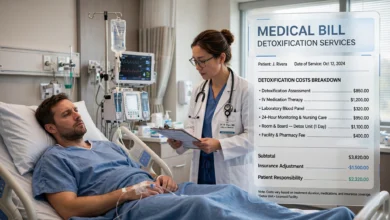
Medical detox happens in a hospital, dedicated detox center, or inpatient treatment facility where trained clinicians manage the withdrawal process from start to finish.
The Role of Medical Supervision
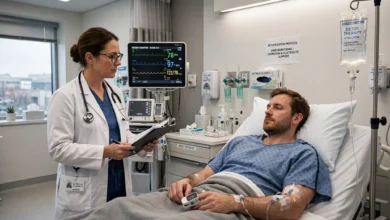
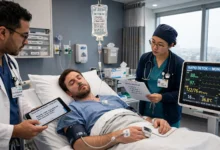
In a medical detox setting, staff monitor vital signs like blood pressure, heart rate, and temperature around the clock. They can catch early warning signs of complications, such as a spike in heart rate that signals an oncoming seizure, and intervene before things escalate. This kind of continuous observation is the single biggest safety advantage medical detox has over doing it at home.
Medications Used in Medical Detox
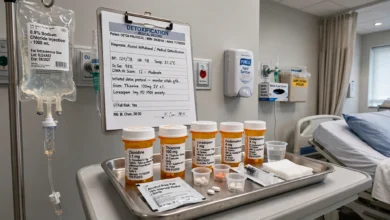
Clinicians use FDA-approved medications, tailored to the substance and the individual’s health history, to reduce withdrawal severity and prevent complications. This might include medications that stabilize heart rhythm, control anxiety and agitation, or ease physical discomfort. Because these medications are prescribed and adjusted by a physician based on real-time monitoring, the risk of over-medicating or under-treating dangerous symptoms is dramatically lower than trying to self-medicate at home with whatever is in the medicine cabinet.
At-Home Detox vs Medical Detox: Key Safety Differences
This is the heart of the comparison. Here’s where the two approaches genuinely diverge in terms of risk.
Withdrawal Symptom Severity
Withdrawal severity depends heavily on the substance:
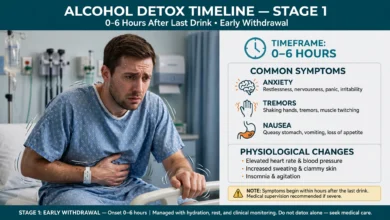
- Alcohol withdrawal can include tremors, hallucinations, and in severe cases, seizures or delirium tremens (DTs), a condition that can be fatal without treatment.
- Benzodiazepine withdrawal carries a similarly high seizure risk, especially after long-term or high-dose use.
- Opioid withdrawal is rarely fatal on its own but causes intense vomiting, diarrhea, and dehydration that can become dangerous, particularly for people with existing heart or kidney conditions.
- Stimulant withdrawal (cocaine, methamphetamine) is less physically dangerous but often comes with severe depression and, in some cases, suicidal thoughts that require close monitoring.
Trying to gauge symptom severity without medical training is one of the biggest gaps in at-home detox safety. What looks like “just a bad night” can actually be the early stage of a medical emergency.
Risk of Complications
Medical detox facilities are built to catch complications early. IV fluids can be started the moment dehydration becomes a concern. Cardiac monitoring can flag arrhythmias before they become life-threatening. None of that infrastructure exists in a home environment, which means complications that would be minor and quickly treated in a clinical setting can become serious, or fatal, at home.
Emotional and Psychological Support
Withdrawal isn’t only physical. Anxiety, depression, irritability, and intense cravings are part of the process for almost every substance. In medical detox, counselors and behavioral health staff are typically on-site to help someone manage the psychological side of withdrawal and start building a plan for ongoing treatment. At home, that support usually falls to family members who, however well-meaning, aren’t trained to de-escalate a mental health crisis or recognize the difference between normal withdrawal distress and something that needs urgent care.
Risks of At-Home Detox
To put it plainly, these are the risks that come up most often when people attempt at-home detox without medical support:
- No access to emergency intervention if seizures, severe dehydration, or cardiac symptoms occur
- Higher relapse risk, since unmanaged discomfort often pushes people back to using just to make the symptoms stop
- Limited ability to recognize danger signs, especially for family members without medical training
- No prescription medications to ease withdrawal or prevent complications
- Isolation during a vulnerable period, which can worsen depression or anxiety
- Delayed treatment if something does go wrong, since getting to a hospital takes time that a person in crisis may not have
For substances like alcohol and benzodiazepines in particular, the National Institute on Drug Abuse has documented how unsupervised withdrawal can trigger seizures that come on with little warning, which is one of the clearest reasons medical guidance exists for these substances in the first place.
Benefits of Medical Detox
On the other side of the comparison, medical detox offers several concrete safety advantages:
- 24/7 monitoring of vital signs and withdrawal progression
- Medication-assisted treatment to reduce symptom severity and prevent complications
- Immediate emergency response if a complication develops
- Structured psychological support during one of the most emotionally difficult phases of recovery
- A direct bridge into ongoing treatment, whether that’s inpatient rehab, outpatient counseling, or a medication maintenance program
- Reduced risk of relapse during the detox window itself, since symptoms are actively managed rather than endured
Which Substances Require Medical Detox?
Not every substance carries the same level of withdrawal risk, and that matters when deciding between at-home detox and medical detox.
Substances Where Medical Detox Is Strongly Recommended
- Alcohol – risk of seizures and delirium tremens
- Benzodiazepines (such as diazepam or alprazolam) – risk of seizures, especially with abrupt discontinuation
- Opioids (including prescription painkillers and heroin) – risk of severe dehydration and complications for people with underlying health conditions
- Barbiturates – similar seizure risk to benzodiazepines
Substances With Lower Physical Risk
- Cannabis – withdrawal is generally uncomfortable but not medically dangerous
- Nicotine – physically manageable at home for most people, though support programs improve success rates
- Mild caffeine dependence – typically limited to headaches and fatigue
Even for substances in the “lower risk” category, a conversation with a doctor before quitting is worthwhile, especially if there are other health conditions involved.
Factors to Consider When Choosing Between At-Home and Medical Detox
Severity of Addiction
How long someone has used a substance, how much, and how often all affect withdrawal severity. Someone who has used heavily for years is at far greater risk than someone with a shorter or lower-dose history, even with the same substance.
Medical History
Existing heart conditions, a history of seizures, pregnancy, or co-occurring mental health conditions all raise the stakes of unsupervised withdrawal. Anyone with these risk factors should treat medical detox as the default, not an optional upgrade.
Support System
At-home detox without medical staff is somewhat safer, though still not risk-free, when a trained person is present and a clear plan exists for getting to emergency care quickly. Attempting it completely alone removes even that thin safety net.
Access and Cost
Cost and access are real barriers. Medical detox is more expensive and not always immediately available, which is part of why so many people default to trying it at home. Many detox centers and hospitals offer sliding-scale fees or can connect people to state-funded programs, so it’s worth calling before ruling it out based on price alone.
How to Find Help
If you’re weighing at-home detox against medical detox, the safest first step is a conversation with a doctor, an addiction specialist, or a treatment center intake coordinator. They can assess withdrawal risk based on the specific substance, dosage, and duration of use, and recommend the right level of care.
The Substance Abuse and Mental Health Services Administration (SAMHSA) operates a free, confidential national helpline that can connect people to local treatment options, including medical detox facilities, at any hour of the day.
Conclusion
Choosing between at-home detox and medical detox comes down to one central question: how much risk is actually involved in stopping this substance safely? For alcohol, benzodiazepines, and opioids, the honest answer is that medical detox offers a level of monitoring, medication support, and emergency response that home settings simply can’t match, and that difference can be life-saving.
At-home detox may be workable for lower-risk substances or very mild dependence, but even then, involving a doctor before starting is a smart precaution. Recovery is hard enough without adding unnecessary physical danger to the process, so when in doubt, lean toward the option with medical support close by.