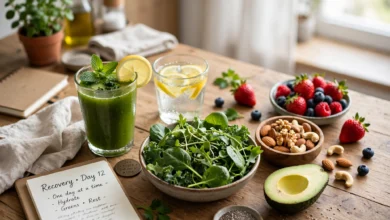
Natural Detox Methods: What Works and What Doesn’t
A clear, honest look at natural detox methods, what genuinely supports your body and which trends are just marketing, backed by science.

Natural detox methods are everywhere right now, from teas that promise to “flush toxins” overnight to juice cleanses marketed as a reset button for your body. The problem is that most of these products are built on a shaky premise: that your body is full of toxins sitting around waiting to be flushed out, and that a special product is the only thing that can do it. In reality, your liver, kidneys, lungs, and skin are already handling this job every single day, and they’re remarkably good at it.
That doesn’t mean there’s nothing you can do. Certain habits genuinely support how well your organs function, while others are simply expensive placebos, or in some cases, mildly harmful. This article walks through what the science actually says about natural detox methods, breaks down which lifestyle changes have real backing, and calls out the popular trends that don’t hold up under scrutiny. Whether you’re curious about a liver detox, a body cleanse, or just want to feel less sluggish, you’ll get a straightforward, no-nonsense breakdown here, not a sales pitch.
By the end, you’ll know exactly which habits are worth your time and which ones you can skip without guilt.
What Does “Detox” Actually Mean?
The word “detox” gets used loosely, and that’s part of the confusion. In a clinical setting, detoxification refers to a specific medical process, like treating someone for drug or alcohol withdrawal under supervision. That’s a serious, monitored procedure.
In the wellness world, “detox” has become a catch-all marketing term for anything that claims to remove vague, unnamed toxins from your body. Ask most detox product sellers exactly which toxins their product removes, and you’ll rarely get a specific answer. That’s a red flag. Real toxins, heavy metals, certain chemicals, excess medication, are handled by your organs or, in extreme cases, by actual medical treatment, not a green juice.
So when this article talks about natural detox methods, it means habits that support your body’s own detoxification systems, not products that claim to do the job for you.
How Your Body Naturally Detoxifies Itself
Before getting into what helps, it’s worth understanding what your body is already doing without any help from a supplement aisle.


The Liver
Your liver is the workhorse of detoxification. It filters blood coming from your digestive tract, breaks down medications and alcohol, and converts waste products into forms your body can safely excrete. According to Harvard Health Publishing, the liver performs hundreds of functions, and its detox role alone involves multiple enzyme systems working around the clock.
The Kidneys
Your kidneys filter around 50 gallons of blood a day, pulling out waste and excess fluid to be excreted as urine. They’re precise, self-regulating, and don’t need a cleanse to “reset.”
The Skin and Lungs
Sweating and breathing play smaller supporting roles, releasing small amounts of waste products, though nowhere near the scale that detox marketing often implies. Sweating out toxins through a sauna, for example, is real, but modest, and shouldn’t be confused with a full-body cleanse.
Understanding this system matters because it reframes the goal. You’re not trying to replace these organs’ work. You’re trying to keep them functioning at their best.
Natural Detox Methods That Actually Work
These are the habits with genuine research behind them. None of them are flashy, and that’s kind of the point.
1. Staying Properly Hydrated
Water is essential for kidney function and helps flush waste products through urine. Chronic mild dehydration makes your kidneys work harder and less efficiently. Aim for consistent water intake throughout the day rather than large amounts at once.
- Carry a reusable bottle and refill it on a schedule
- Add lemon or cucumber if plain water feels boring, not because it adds detox power, but because it helps you drink more
- Watch urine color as a rough hydration gauge, pale yellow is generally a good sign
2. Eating a Fiber-Rich Diet
Fiber supports regular digestion, which matters because your digestive tract is one of the main routes waste leaves your body. A diet rich in vegetables, fruits, legumes, and whole grains keeps things moving and supports the gut bacteria that help process waste efficiently.
- Beans, lentils, and oats are inexpensive, high-fiber staples
- Leafy greens support liver enzyme activity
- Cruciferous vegetables like broccoli and cauliflower contain compounds that support liver detoxification pathways
3. Prioritizing Sleep
Sleep is when your brain clears out metabolic waste through what’s known as the glymphatic system. Poor sleep has been linked to reduced efficiency in this process. If you’re looking for one habit that has an outsized impact on how your body functions, consistent, quality sleep is it.
- Keep a consistent sleep and wake time, even on weekends
- Limit screens for 30 to 60 minutes before bed
- Keep your room cool and dark
4. Regular Exercise
Physical activity improves circulation, supports lymphatic flow, and helps regulate digestion. It also reduces inflammation, which indirectly supports the organs responsible for detoxification. You don’t need intense workouts, consistent moderate activity is what matters most.
- Aim for at least 150 minutes of moderate activity a week
- Walking counts, and it’s one of the most underrated habits for overall health
- Strength training supports metabolic health over the long term
5. Reducing Alcohol and Processed Food Intake
Your liver has to work overtime to process alcohol and heavily processed foods high in added sugar and unhealthy fats. Cutting back doesn’t “cleanse” your liver in a dramatic sense, but it does reduce the load your liver carries daily, giving it room to function more efficiently.
- Try setting alcohol-free days each week
- Read labels for added sugars, they show up in more products than people expect
- Cook at home more often to control ingredients
6. Managing Stress
Chronic stress raises cortisol levels, which can affect digestion, sleep, and inflammation, all of which tie back into how well your body handles waste and repair. Stress management isn’t usually framed as a detox strategy, but it belongs on this list.
- Short daily walks outdoors
- Breathing exercises or meditation, even five minutes helps
- Setting boundaries around work and screen time
7. Getting Enough Antioxidant-Rich Foods
Antioxidants help neutralize oxidative stress caused by normal metabolic processes and environmental exposure. Berries, nuts, dark leafy greens, and colorful vegetables are good natural sources.
- Aim for a variety of colors on your plate rather than relying on a single “superfood”
- Green tea and dark chocolate in moderation are reasonable additions
- Whole foods generally outperform supplements for this purpose
Detox Trends That Don’t Hold Up
Now for the part most people are actually curious about: the products and trends that get marketed heavily but don’t have solid evidence behind them.
Detox Teas and Juice Cleanses
Most detox teas rely on laxative ingredients like senna, which cause water loss and bowel movements that can feel like “results” but are actually just dehydration and lost electrolytes. Juice cleanses cut out fiber and protein, often leaving people fatigued and hungry rather than refreshed. Any weight lost during a juice cleanse is typically water weight, and it returns once normal eating resumes.
Activated Charcoal Supplements
Activated charcoal is genuinely used in emergency medicine to treat certain types of poisoning, but that’s a very different context from daily supplement use. Taken regularly, it can bind to nutrients and medications in your gut, potentially reducing the effectiveness of prescriptions and interfering with nutrient absorption.
Extreme Fasting Protocols
Short, well-planned periods of intermittent fasting have some legitimate research behind them for metabolic health, but extreme multi-day fasts marketed as “detox resets” carry real risks, including nutrient deficiencies, blood sugar crashes, and muscle loss. According to the National Center for Complementary and Integrative Health, there’s no strong evidence that these protocols remove toxins any more effectively than the body already does on its own.
Colon Cleanses
Colon cleansing kits and colonics are marketed as removing built-up waste, but there’s no credible evidence of toxin buildup in a healthy colon that requires this kind of intervention. These procedures can also disrupt the natural gut bacteria balance and, in some cases, cause dehydration or electrolyte imbalances.
Foot Detox Pads
These adhesive pads claim to draw toxins out through the soles of your feet overnight, often turning dark or discolored as “proof” the toxins were removed. That discoloration is simply a reaction between the pad’s ingredients and moisture or sweat, not evidence of anything being extracted from your body.
Supporting Detox Safely: Practical Tips
If you want to support your body’s natural processes without falling for a marketing gimmick, here’s a simple, realistic approach:
- Focus on consistency over intensity, small daily habits beat dramatic short-term cleanses
- Prioritize whole foods over supplements whenever possible
- Don’t skip meals or restrict food groups without a real reason
- Talk to a healthcare provider before starting any fasting protocol or supplement regimen
- Pay attention to how your body responds to changes, fatigue or dizziness is a sign to stop, not push through
- Remember that no single food or drink works overnight, sustainable habits take weeks to show effects
When to See a Doctor
If you’re feeling persistently fatigued, bloated, or unwell and considering a detox program to fix it, that’s actually a good reason to see a doctor rather than try a cleanse. Symptoms like these can point to underlying issues such as thyroid problems, food intolerances, or nutrient deficiencies that a detox tea won’t touch. A healthcare provider can run actual tests and give you answers instead of guesses.
This is especially true if you’re taking medications, managing a chronic condition, or pregnant, since many detox products and fasting protocols can interact with medications or aren’t safe in those circumstances.
Conclusion
Natural detox methods that actually work aren’t glamorous. They’re the boring, consistent habits your grandmother probably already told you about: drink enough water, eat your vegetables, sleep well, move your body, and go easy on the alcohol and processed food. Your liver and kidneys are already doing the heavy lifting of detoxification every day.
And the best thing you can do is give them the support they need rather than trying to replace their job with a tea or a juice cleanse. Skip the products promising a quick reset, and instead build the small habits that genuinely help your body function at its best over the long run.