After Detox Recovery: 7 Powerful Steps to Lasting Sobriety
After detox recovery starts here. Learn the real next steps, from therapy to aftercare, that help people build lasting sobriety.

Detox is often described as the finish line, but anyone who has been through it knows it’s really just the starting gun. The body has cleared the substance, the worst of the physical withdrawal has passed, and now comes the part nobody talks about enough: figuring out how to actually live without it. After detox recovery is where the real work begins, and it’s also where a lot of people get stuck because they weren’t prepared for what comes next.
If you or someone you love just finished a detox program, you might be feeling a strange mix of relief and uncertainty. That’s completely normal. Detox treats the physical dependence, but it doesn’t touch the habits, triggers, and underlying issues that led to substance use in the first place. Without a clear plan for what happens after, the risk of relapse climbs fast, sometimes within the first few weeks.
This article walks through what typically happens after detox, the treatment options available, and the practical steps that make long-term recovery possible. Whether you’re planning your own next move or supporting a family member, understanding this stage can make the difference between a short-lived attempt at sobriety and a life that actually changes.
Why Detox Alone Isn’t Enough
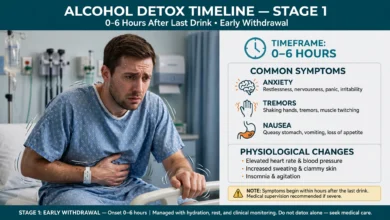
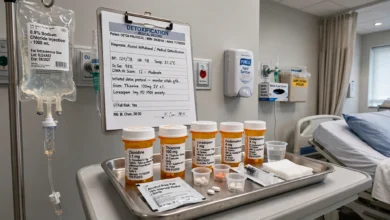
Detox handles one piece of a much bigger puzzle. It manages the physical withdrawal symptoms, which for substances like alcohol, opioids, or benzodiazepines can be dangerous without medical supervision. But detox typically lasts anywhere from three to ten days, and that’s simply not enough time to address the psychological and behavioral patterns tied to addiction.
According to the National Institute on Drug Abuse (NIDA), addiction is a chronic condition that changes brain function, particularly in areas related to judgment, decision-making, and impulse control. Those changes don’t reverse in a week. This is why treatment centers and medical professionals consistently recommend continuing care after detox rather than treating it as a standalone solution.
Some of the reasons detox alone rarely leads to lasting recovery include:
- No therapeutic component – detox is medical, not psychological, so it doesn’t address why the substance use started
- High relapse risk – the body’s tolerance drops during detox, which makes a return to previous use levels more dangerous
- Untreated co-occurring conditions – anxiety, depression, trauma, and other mental health issues often go hand in hand with substance use
- No coping strategies – detox doesn’t teach the skills needed to handle stress, cravings, or triggers in everyday life
Step 1: Choosing the Right Level of Care
Once detox is complete, the next decision is what type of treatment setting makes sense. This choice usually depends on the severity of the addiction, personal responsibilities, financial resources, and support system at home.


Inpatient or Residential Treatment
This option involves living at a treatment facility for anywhere from 28 days to several months. It works well for people with a long history of substance use, a lack of stable housing, or a home environment that isn’t supportive of sobriety. Residential programs offer round-the-clock structure, therapy, and peer support.
Partial Hospitalization Programs (PHP)
PHPs offer a high level of care, often five to seven days a week for several hours a day, without requiring the person to live at the facility. This works for people who need intensive support but have a safe place to return to each night.
Intensive Outpatient Programs (IOP)
IOPs typically meet three to five days a week for a few hours per session. This level of care suits people who need to keep working or attending school while still receiving structured treatment.
Standard Outpatient Care
This is the lightest level of care, usually involving weekly therapy or group sessions. It’s often used as a step-down option after completing a more intensive program, rather than as a starting point right after detox.
Step 2: Building a Personalized Treatment Plan
A good treatment plan after detox isn’t generic. It’s built around the person’s specific substance use history, mental health needs, and personal goals. Most plans include a combination of the following:
- Individual therapy to address underlying triggers and thought patterns
- Group therapy for peer accountability and shared experience
- Family therapy when relationships have been affected by substance use
- Medication-assisted treatment (MAT) for certain substances like opioids or alcohol
- Psychiatric care for co-occurring mental health conditions
The Substance Abuse and Mental Health Services Administration (SAMHSA) recommends that treatment plans be reassessed regularly since needs often shift as someone progresses through recovery. What works in the first month may need adjusting by month three.
Step 3: Understanding Therapy Options
Therapy is arguably the most important part of recovery after detox, since it’s where the actual behavioral change happens. A few approaches show up consistently in effective treatment programs:
Cognitive Behavioral Therapy (CBT)
CBT helps people identify the thought patterns that lead to substance use and replace them with healthier responses. It’s one of the most researched and widely used therapies in addiction treatment.
Dialectical Behavior Therapy (DBT)
Originally developed for borderline personality disorder, DBT has become a valuable tool in addiction treatment because it teaches emotional regulation and distress tolerance, both of which are common struggles during early sobriety.
Motivational Interviewing
This approach helps people work through ambivalence about change. It’s particularly useful for those who feel pressured into treatment rather than fully committed to it.
Trauma-Informed Therapy
Since trauma and substance use are so frequently connected, trauma-informed care addresses the root experiences that may have contributed to addictive behavior in the first place.
Step 4: Addressing Co-Occurring Mental Health Conditions
A significant number of people in addiction treatment also deal with mental health conditions like depression, anxiety, PTSD, or bipolar disorder. This is often called a dual diagnosis, and treating both conditions together tends to produce far better outcomes than treating them separately.
If mental health needs go unaddressed, they can quietly undermine sobriety even when someone is doing everything else right. A psychiatric evaluation shortly after detox can identify whether medication, therapy, or both are needed to support recovery long term.
Step 5: Building a Support System
Recovery rarely succeeds in isolation. Building a reliable support system is one of the most protective factors against relapse. This can include:
- 12-step programs like Alcoholics Anonymous or Narcotics Anonymous
- SMART Recovery, a non-12-step alternative focused on self-management
- Sober living homes, which provide a substance-free environment during early recovery
- Family and friends who understand recovery and are willing to offer consistent support
- Recovery coaches or sponsors who provide guidance based on their own experience
People who stay connected to a support network after formal treatment ends are statistically far more likely to maintain long-term sobriety compared to those who go it alone.
Step 6: Developing an Aftercare Plan
Aftercare refers to the ongoing support someone receives after completing a primary treatment program. Skipping this step is one of the most common reasons people relapse. A solid aftercare plan typically includes:
- Continued individual or group therapy sessions
- Regular check-ins with a case manager or counselor
- A relapse prevention plan that identifies personal triggers and warning signs
- A structured daily routine that includes work, exercise, and healthy social activities
- Ongoing medical care if medication-assisted treatment is part of the plan
Aftercare isn’t a formality. It’s the bridge between structured treatment and independent living, and the strength of that bridge often determines how stable someone’s recovery turns out to be.
Step 7: Making Lifestyle Changes That Support Sobriety
Beyond formal treatment, everyday lifestyle choices play a bigger role in recovery than most people expect. Some changes that consistently show up in successful long-term recovery include:
- Regular exercise, which helps regulate mood and reduce stress
- Consistent sleep schedules, since poor sleep is closely linked to relapse risk
- Nutrition support, as substance use often depletes the body of essential nutrients
- New hobbies or interests that fill the time and identity previously tied to substance use
- Boundary setting with people or environments connected to past use
These changes don’t happen overnight, and nobody expects perfection. The goal is steady progress, not a flawless routine.
Common Challenges During Early Recovery
It helps to know upfront that early recovery isn’t a straight line. Some of the most common challenges people face after detox include:
- Post-acute withdrawal syndrome (PAWS), which can involve mood swings, fatigue, and cravings for weeks or months after detox
- Cravings triggered by stress, people, or places associated with past substance use
- Strained relationships that take time to rebuild
- Financial or legal issues left over from active addiction
- Impatience with the pace of healing, since recovery is rarely as fast as people hope
Recognizing these challenges as a normal part of the process, rather than a sign of failure, can help people push through the hardest stretches without giving up.
How Long Does Recovery Take?
There’s no fixed timeline for recovery, and anyone who promises one isn’t being honest. Most professionals view addiction as a long-term condition that requires ongoing management, similar to diabetes or hypertension. Early recovery, generally the first 12 months, tends to carry the highest relapse risk, which is why continued care during this window matters so much.
That said, many people report that life starts to feel noticeably more stable somewhere between six months and a year of consistent recovery work. Beyond that, recovery often becomes less about active treatment and more about maintaining the habits and support systems already built.
When to Seek Additional Help
If cravings become overwhelming, if mental health symptoms worsen, or if a relapse occurs, it’s important to reach out for help rather than trying to manage it alone. Relapse doesn’t mean recovery has failed. It often signals that the treatment plan needs adjusting, whether that means a higher level of care, a medication change, or additional therapy.
Organizations like SAMHSA’s National Helpline offer free, confidential support around the clock for people navigating substance use and mental health concerns. Reaching out early, before a small setback becomes a bigger one, tends to lead to better outcomes.
Conclusion
Detox is the necessary first step, but it’s never the whole story. What happens after detox determines whether recovery holds long term, and that means choosing the right level of care, committing to therapy, addressing any co-occurring mental health conditions, building a genuine support system, and following through with an aftercare plan.
Add in steady lifestyle changes and realistic expectations about how long healing takes, and the path forward becomes far more manageable. Recovery isn’t about willpower alone. It’s about having the right structure and support in place once detox ends, and that structure is what turns a single moment of sobriety into a lasting way of life.