Post-Stroke Physical Recovery: A Complete Rehabilitation Guide
Post-stroke physical recovery can feel overwhelming. Here's a clear, realistic guide to rehab stages, exercises, timelines, and what actually helps.
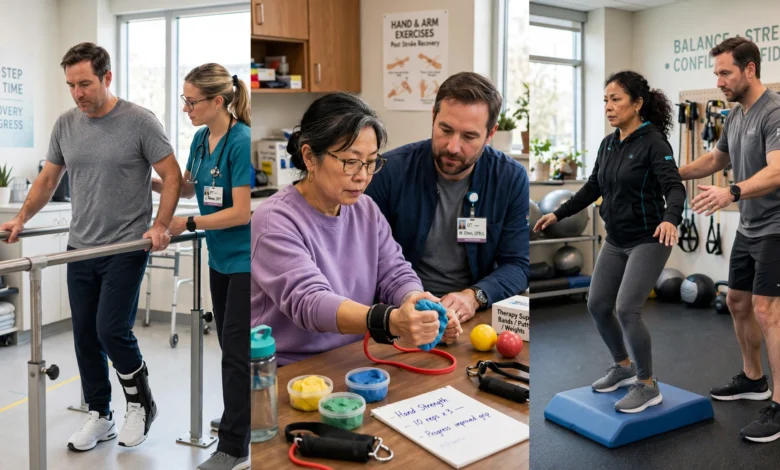
Post-stroke physical recovery is one of the most demanding journeys a person can go through, and also one of the most hopeful. A stroke can take away things you never thought twice about, like buttoning a shirt or walking to the mailbox. But the brain is more adaptable than most people realize, and with the right rehabilitation plan, a lot of function can come back.
This guide walks through what post-stroke physical recovery actually looks like, from the first days in the hospital to the months and years of ongoing therapy. It’s written for stroke survivors, caregivers, and anyone trying to understand what a stroke rehabilitation program should include. You’ll find information on recovery timelines, the different types of therapy involved, home exercises, common setbacks, and how to keep making progress even after the “fast” recovery window has passed.
Every stroke is different, and so is every recovery. Some people regain most of their function within months. Others deal with lasting effects and spend years working on smaller, steady gains. Neither outcome means someone is doing something wrong. What matters most is having a stroke recovery plan that’s realistic, consistent, and adjusted as your needs change. Let’s get into what that actually involves.
What Happens to the Body After a Stroke
A stroke happens when blood flow to part of the brain is cut off, either by a blockage (ischemic stroke) or a rupture (hemorrhagic stroke). Without oxygen, brain cells in that area start to die within minutes. Depending on which part of the brain is affected, this can cause weakness or paralysis on one side of the body, balance problems, trouble swallowing, vision changes, or difficulty with coordination.
The physical effects of a stroke usually show up on the opposite side of the body from where the brain damage occurred. So a stroke on the left side of the brain often causes right-side weakness, and vice versa. This is why you’ll hear terms like hemiparesis (weakness on one side) or hemiplegia (paralysis on one side) used constantly in stroke rehabilitation.
The good news is that the brain doesn’t just sit there after an injury. It reorganizes itself through a process called neuroplasticity, where healthy areas of the brain gradually take over some of the functions that were lost. This is the entire scientific basis for rehabilitation. Repetitive, targeted practice literally helps rewire the brain around the damage. That’s why therapy isn’t just “exercise” in the general sense. It’s targeted, repeated practice designed to rebuild specific neural pathways.
The Stroke Recovery Timeline: What to Expect and When
One of the most common questions after a stroke is simple: how long is this going to take? There’s no single answer, but there is a general pattern that most stroke rehabilitation programs follow.
The First 24 to 48 Hours
Rehabilitation often starts shockingly early, sometimes within a day of the stroke, as long as the person is medically stable. This isn’t about intense workouts. It’s basic things like sitting up, shifting position in bed, and small movement exercises to prevent complications like blood clots, pressure sores, and muscle stiffness.
The First 3 Months
This window is widely considered the most important stretch of post-stroke physical recovery. According to Johns Hopkins Medicine, most patients see their biggest improvements during this period, and many complete an inpatient rehab program or make significant outpatient progress during these months. Some people experience what’s called spontaneous recovery, where an ability that seemed gone suddenly starts working again as the brain finds new pathways.
3 to 6 Months
Progress usually continues but at a slower pace. This is often when people move from inpatient care to outpatient therapy or home-based rehab. Gains become more incremental, and consistency starts to matter more than intensity.
6 Months and Beyond
Recovery doesn’t stop at six months, even though the rate of improvement slows down. Research has shown measurable gains are still possible 12 to 18 months after a stroke, and some people continue to improve for years with ongoing, focused practice. This is often called the chronic phase of stroke recovery, and it’s where long-term habits, home exercise programs, and adaptive strategies matter most.
The Core Members of a Stroke Rehabilitation Team
Stroke rehabilitation rarely comes from one person. It’s a coordinated effort between several specialists, each focused on a different piece of recovery.
- Physiatrist – A physician who specializes in rehabilitation medicine and typically oversees the overall recovery plan.
- Physical therapist (PT) – Focuses on rebuilding strength, balance, coordination, and the ability to walk safely again.
- Occupational therapist (OT) – Helps you relearn everyday tasks like dressing, cooking, bathing, and handwriting.
- Speech-language pathologist (SLP) – Works on communication difficulties and swallowing problems, both of which are common after a stroke.
- Rehabilitation nurse – Helps manage day-to-day medical needs and teaches skills that carry over into daily routines.
- Social worker or case manager – Helps coordinate insurance, living arrangements, and support services.
- Psychologist or counselor – Addresses the emotional side of recovery, including anxiety and post-stroke depression, which is extremely common and can slow physical progress if left untreated.
No single specialist works in isolation. A good stroke recovery plan treats the body and mind together, because emotional state has a direct, measurable effect on how well someone participates in physical therapy.
Types of Post-Stroke Physical Rehabilitation
There isn’t one single approach to post-stroke physical recovery. Most programs combine several methods based on the specific abilities a person has lost.
Physical Therapy for Motor Skills
This is the backbone of most stroke rehabilitation exercises. A physical therapist assesses strength, balance, range of motion, and gait, then builds a plan targeting the weakest areas. Common approaches include:
- Repetitive task practice – Doing the same functional movement over and over (like standing up from a chair) to rebuild the neural pathway for that action.
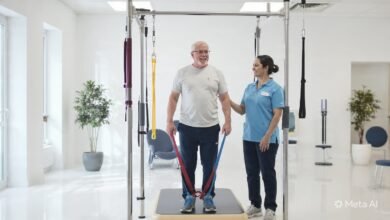
- Balance and gait training – Practicing walking patterns, often with parallel bars, a walker, or a cane before progressing to unassisted walking.
- Strength training – Targeted resistance exercises for weakened muscles, which also helps prevent the muscle wasting that comes from disuse.
- Constraint-induced movement therapy – The stronger limb is restrained for periods of time, forcing the weaker limb to do the work. This can be uncomfortable at first but has strong evidence behind it for improving arm and hand function.
Occupational Therapy for Daily Living
Occupational therapists focus on function you actually use every day: brushing your teeth, buttoning a shirt, cooking a simple meal, or getting in and out of a car. Sometimes the goal is to fully restore the original movement pattern. Other times, the goal is a compensation strategy, like learning to open a jar using one hand and a stabilizing surface instead of two hands like before.
Mobility Aids and Assistive Devices
Many stroke survivors use tools during recovery, and sometimes long-term, including:
- Canes or quad canes for extra balance
- Walkers for more stability during early walking practice
- Ankle-foot orthotics (AFOs) to stabilize a weak or “drop foot” ankle
- Wheelchairs, either temporarily or as a longer-term mobility solution
Using an assistive device isn’t a step backward. It’s often what allows someone to safely practice walking sooner, which speeds up overall progress.
Emerging and Technology-Assisted Therapies
Some rehab programs now incorporate newer tools like robotic-assisted gait training, electrical stimulation to activate weak muscles, virtual reality exercises, and mirror therapy for limb function. These aren’t replacements for traditional therapy, but they can add extra repetition and motivation, especially for people who plateau with standard exercises alone.
Where Rehabilitation Happens
Post-stroke physical recovery can take place across several different settings, and most people move through more than one over time.
- Inpatient rehabilitation facility (IRF) – For people medically stable enough to tolerate about three hours of therapy a day, five or six days a week. This is typically recommended for moderate to severe strokes.
- Skilled nursing facility (SNF) – A lower-intensity option for people who need more recovery time before they can handle intensive therapy, or before they’re ready to return home.
- Outpatient rehabilitation – Therapy sessions at a clinic a few times a week, usually for people who can already manage most day-to-day activities at home.
- Home health rehabilitation – Therapists come to the home, typically for people who have difficulty traveling to appointments.
- Independent home exercise – Ongoing self-directed practice, ideally guided by a program a therapist has designed, used to maintain and build on gains long after formal therapy ends.
According to the American Stroke Association, the right setting depends on how much therapy someone can tolerate, their support system at home, and how medically stable they are. Moving between these settings over the course of a year is completely normal.
Common Physical Challenges After a Stroke
Understanding the specific physical challenges helps make sense of why rehab is structured the way it is.
Weakness or Paralysis on One Side
This is the most recognizable effect of stroke. Therapy focuses on rebuilding strength and, in many cases, retraining the brain to recruit unaffected muscle groups to support the weaker side.
Balance and Coordination Problems
Damage to certain brain regions affects the ability to stay upright, judge distance, or coordinate multiple muscle groups at once. This significantly raises fall risk, which is why balance training is such a heavy focus early in rehab.
Spasticity
Many stroke survivors develop spasticity, a tightening or stiffening of muscles that can make movement painful or difficult. Stretching, splinting, medication, and sometimes injections are used alongside physical therapy to manage it.
Fatigue
Post-stroke fatigue is common and often underestimated. It’s not the same as being tired after a workout. It can be a deep, whole-body exhaustion that shows up even without much physical exertion, and it needs to be factored into how a rehab schedule is paced.
Swallowing and Communication Difficulties
While these fall more under speech therapy, they directly affect physical recovery too, since swallowing problems (dysphagia) can impact nutrition and overall strength, and communication difficulties can make it harder for someone to advocate for their own therapy needs.
Home Exercises That Support Recovery
Once someone has a home program from their physical or occupational therapist, consistency becomes the biggest factor in progress. Some commonly used categories of stroke rehabilitation exercises include:
- Range-of-motion exercises – Gentle stretching of affected joints to prevent stiffness and contractures.
- Seated marching or leg lifts – Building strength and control in the legs before standing exercises.
- Sit-to-stand practice – One of the most functional exercises there is, since it’s used dozens of times a day in real life.
- Weight-shifting exercises – Practicing shifting body weight side to side or front to back to improve balance.
- Hand and finger exercises – Squeezing a soft ball, picking up small objects, or practicing grip strength to rebuild fine motor control.
- Mirror therapy – Using a mirror to create the visual illusion of the affected limb moving normally, which can help stimulate the brain’s motor pathways.
It’s worth repeating: exercises should always come from a licensed therapist who has assessed the individual’s specific needs. What works well for one person’s recovery can be unsafe for another, particularly around balance and fall risk.
Nutrition, Sleep, and Emotional Health During Recovery
Physical recovery doesn’t happen in a vacuum. A few supporting factors make a measurable difference:
- Nutrition – Adequate protein intake supports muscle repair, and swallowing difficulties may require modified food textures to prevent choking and ensure proper nutrition.
- Sleep – Poor sleep slows healing and increases fatigue, which directly reduces how much someone can get out of therapy sessions.
- Mental health – Post-stroke depression affects a large share of survivors and can significantly reduce motivation and participation in therapy. Left untreated, it doesn’t just affect mood, it measurably slows physical recovery. Addressing it early, through counseling, medication, or both, tends to improve overall rehab outcomes.
- Social support – Family involvement and encouragement are consistently linked to better rehabilitation outcomes. Recovery is genuinely easier when someone doesn’t feel like they’re doing it alone.
How to Support a Loved One’s Physical Recovery
If you’re a caregiver, your role matters more than you might think. A few practical ways to help:
- Encourage practice of home exercises between formal therapy sessions, without pushing so hard that it becomes discouraging.
- Learn the specific safety precautions for transfers and walking so you can assist without accidentally increasing fall risk.
- Celebrate small wins. Regaining a small movement or completing a task independently is a genuine milestone, not a minor detail.
- Watch for signs of depression, withdrawal, or frustration, and bring them up with the care team rather than assuming they’ll pass on their own.
- Take care of your own energy too. Caregiver burnout is real, and an exhausted caregiver isn’t able to provide the steady support recovery requires.
When Progress Feels Slow
It’s extremely common to hit a point where progress plateaus, sometimes for weeks. A few things worth knowing:
- Plateaus don’t necessarily mean recovery has stopped. They often mean the current exercises need to be adjusted or intensified.
- Setbacks like a minor illness, a fall, or a mood decline can temporarily interrupt progress. These are normal and usually recoverable with time and adjusted goals.
- Recovery isn’t always linear. Some people notice sudden improvements after long periods of little visible change.
- If a plateau lasts a long time, it’s worth revisiting the rehab plan with the care team rather than assuming nothing more can be done.
Long-term outcomes vary based on stroke severity, how quickly treatment began, age, overall health, and the intensity and consistency of rehabilitation. But according to the CDC, people who go through structured stroke rehabilitation consistently do better than those who don’t, regardless of how severe the initial stroke was.
Building a Long-Term Stroke Recovery Plan
A sustainable stroke recovery plan usually includes:
- A clear, current assessment of physical abilities and limitations
- Specific, realistic short-term goals (weeks) and long-term goals (months to a year)
- A structured therapy schedule, whether that’s formal sessions, home exercises, or both
- Regular reassessment as abilities change
- Attention to secondary stroke prevention, including blood pressure management, medication adherence, and lifestyle changes
- A support system that includes both professional care and personal relationships
Recovery doesn’t end when formal therapy stops. Many stroke survivors continue home exercise routines indefinitely, both to maintain gains and to keep working toward further improvement.
Conclusion
Post-stroke physical recovery is rarely quick and never one-size-fits-all, but it’s also far from hopeless. The first few months after a stroke tend to bring the fastest visible progress, thanks to the brain’s ability to rewire itself through consistent, targeted therapy, but meaningful gains are possible well beyond that window, sometimes for years.
A solid recovery plan combines physical and occupational therapy, honest attention to mental health, steady support from family and caregivers, and realistic expectations about plateaus and setbacks along the way. Whether someone is a few days out from a stroke or a few years into their recovery, the same principle holds: consistent, well-guided practice is what turns small gains into real, lasting independence.