8 Signs You Need Physical Therapy Right Now
Aching joints, stiff mornings, or pain that won't quit? Here are 8 signs you need physical therapy right now, and what to do next.
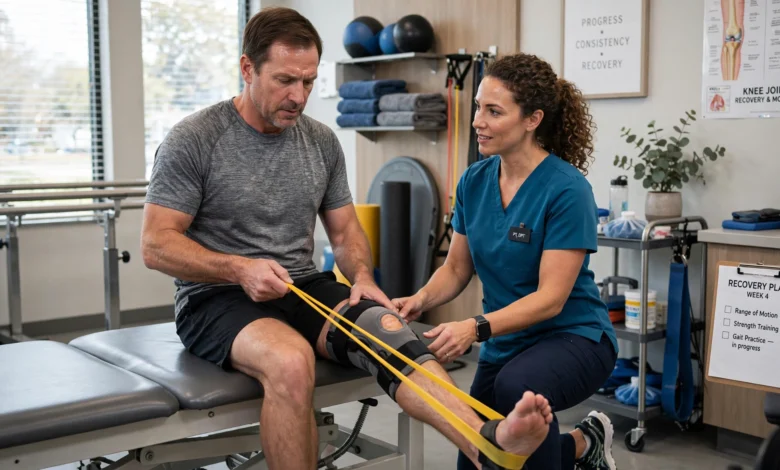
Most people wait too long to see a physical therapist. They tell themselves the ache will pass, the stiffness is “just getting older,” or the shoulder that clicks every time they reach overhead isn’t a big deal. Then six months later, that same shoulder barely moves, or the lower back pain that used to come and go now shows up every single morning.
Here’s the thing: physical therapy works best before a problem becomes a permanent limitation, not after. A physical therapist doesn’t just hand you a list of stretches. They figure out why your body is moving the way it is, find the actual source of the pain (which is often nowhere near where it hurts), and build a plan to fix it instead of just managing it.
So how do you know when it’s time to stop pushing through and actually book an appointment? Below are eight clear signs you need physical therapy, based on what physical therapists themselves say sends people through their doors. If even two or three of these sound familiar, it’s worth having a conversation with a professional rather than waiting for things to get worse.
1. Pain That Sticks Around Longer Than It Should
A pulled muscle or a rolled ankle is going to hurt for a few days. That’s normal. What’s not normal is pain that hangs on for two weeks or more, especially after you’ve already tried rest, ice, and over-the-counter medication.
If you’ve done the standard at-home routine, RICE (rest, ice, compression, elevation), and the pain hasn’t budged, that’s your body telling you the issue is bigger than simple inflammation. Lingering pain is one of the most common signs you need physical therapy, because it usually points to something that won’t resolve on its own: a partial ligament sprain, tendon irritation that’s turned chronic, or a muscle imbalance that keeps re-aggravating the same spot.
Waiting it out often backfires. Pain changes how you move. You start favoring one leg, holding your shoulder differently, or avoiding certain motions altogether. Those compensations can quietly stress other joints and muscles, and years down the road that’s how a “minor” ankle sprain turns into hip or knee problems. A physical therapist can identify what’s actually going on and start treating the cause instead of letting you guess.
Watch for:
- Pain lasting more than 1–2 weeks despite rest
- Pain that keeps returning after it seems to improve
- Discomfort that changes how you walk, sit, or move
2. Sharp or Sudden Pain During Movement or Exercise
There’s a real difference between the dull soreness you feel after a hard workout and a sudden, sharp pain that stops you mid-motion. Sharp pain during a specific movement, like lifting something, twisting to grab a seatbelt, or landing wrong during a run, is often a sign of an acute injury: a muscle tear, a ligament sprain, or in some cases a stress fracture.
This is one of the situations where seeing a physical therapist quickly actually matters for how well and how fast you recover. Physical therapists often describe pain as your body’s warning signal, and the general guidance from the Houston Methodist health blog is that once pain starts forcing you to change how you live your daily life, it’s time to find out what’s actually causing it rather than waiting it out. The sooner a professional evaluates the injury, the less likely it is to turn into a longer-term problem or require surgery down the line.
If over-the-counter pain relievers aren’t touching the pain, or if you notice swelling, bruising, or the joint feels unstable, don’t wait around. These are the kinds of red flags that separate “walk it off” soreness from something that needs a real treatment plan.
3. Stiffness That Doesn’t Loosen Up
Everyone feels a little creaky first thing in the morning. But if it’s taking you ten or fifteen minutes of stretching just to stand up straight, tie your shoes, or get out of bed without wincing, that’s not normal aging, that’s a mobility problem.
Chronic stiffness in the neck, lower back, shoulders, or hips is one of the quieter signs you need physical therapy, mostly because it doesn’t always come with sharp pain, so it’s easy to brush off. But stiffness that lingers past the first few minutes of your day usually means your joints or the muscles around them have lost range of motion, either from inactivity, old injuries that never fully healed, or postural habits built up over years of sitting.
Left alone, restricted mobility tends to get worse, not better. Physical therapists use targeted mobility work, manual therapy, and specific stretching routines to restore normal joint movement before it turns into a bigger limitation.
Common stiffness red flags:
- Needing several minutes to “warm up” before you can move normally
- Reduced range of motion in a joint compared to the other side
- Stiffness that’s worse after sitting for long periods
4. Balance Problems or Frequent Stumbling
Balance issues aren’t just something older adults deal with. If you’ve noticed you’re tripping more often, feeling wobbly when you turn your head quickly, hesitating on stairs, or generally feeling less steady on your feet, that’s worth paying attention to at any age.
These symptoms often point to issues with your vestibular system (the part of your inner ear that controls balance), core weakness, or joint instability, particularly in the ankles and knees. A physical therapist can test your balance and coordination directly, then build a program of exercises designed to retrain your body’s balance response.
This matters more than people think. Falls are one of the leading causes of serious injury, and catching a balance problem early, before it causes a fall, is far easier to manage than rehabbing a hip fracture afterward. If you find yourself gripping railings you didn’t used to need, or feeling unsteady walking on uneven ground, that’s a legitimate reason to schedule a physical therapy evaluation.
5. A Joint That Feels Unstable or “Gives Out”
A knee that buckles when you go downstairs. An ankle that rolls without warning. A shoulder that feels like it might pop out of place when you reach overhead. These aren’t things to just tape up and ignore.
Joint instability usually means the muscles and connective tissue around that joint aren’t doing their job of keeping it properly aligned during movement. It can stem from a previous injury that never fully healed, general muscle weakness, or nerve-related issues affecting how well your brain and muscles communicate.
A physical therapist can pinpoint exactly which muscles are underperforming and design a strengthening program to rebuild stability. This is especially important because an unstable joint that keeps getting reinjured tends to develop more serious problems over time, including early arthritis in that joint. Catching instability early, before the joint gives out during something like carrying groceries or playing with your kids, is one of the clearest signs you need physical therapy.
6. Recovering From an Injury or Surgery
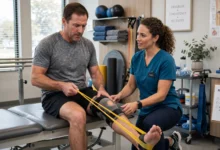
If you’ve recently had surgery, whether it’s a knee replacement, rotator cuff repair, or something less invasive, your body needs guided rehabilitation to heal correctly. The same goes for significant injuries like fractures, torn ligaments, or muscle tears, even if surgery wasn’t required.
Physical therapy after surgery isn’t optional in most cases; it’s part of the recovery plan your surgeon expects you to follow. Skipping it, or not taking it seriously, can lead to excess scar tissue, stiffness, weakness that lingers for months, and a slower return to your normal activities. A structured program helps you regain strength and range of motion at the right pace, without pushing so hard that you set your healing back.
Even old injuries that “mostly” healed can benefit from a physical therapy check-in. If you sprained your ankle two years ago and it still feels weaker than the other side, that’s unfinished business your body is quietly compensating for.
Physical therapy after injury or surgery typically focuses on:
- Reducing pain and swelling in the early stages
- Gradually restoring range of motion
- Rebuilding strength around the affected area
- Retraining movement patterns to prevent re-injury
7. Headaches, Neck Pain, or Posture That’s Slipping
If you spend most of your day at a desk, staring at a phone, or driving, there’s a good chance your posture has quietly shifted without you noticing. Forward head posture, rounded shoulders, and a slouched lower back put constant strain on muscles that weren’t built to hold those positions all day.
That strain often shows up as tension headaches, chronic neck pain, or a tight, achy feeling between the shoulder blades. It’s easy to blame stress or screen time and just push through it, but posture-related pain tends to build gradually and rarely fixes itself without some kind of intervention.
Physical therapists address this through a combination of manual therapy, targeted stretching, and strengthening exercises for the muscles that support good posture, along with practical ergonomic advice for your workspace. If you’ve noticed you’re slouching more, your neck feels tight by mid-afternoon, or you’re getting headaches that start at the base of your skull, that’s a legitimate reason to get a movement assessment rather than just reaching for more ibuprofen.
8. You’ve Stopped Doing Things You Used to Enjoy
This one is easy to miss because it doesn’t always come with obvious pain. Maybe you quietly stopped going on your usual walks. Maybe you don’t get down on the floor to play with your kids or grandkids anymore. Maybe golf, gardening, or your weekend hike got dropped from the schedule because something “just doesn’t feel right.”
This kind of gradual avoidance is one of the most overlooked signs you need physical therapy. Your body is sending you a signal, just a quieter one than sharp pain. A physical therapist can identify what’s actually holding you back, whether it’s a mobility limitation, weakness, mild pain you’ve gotten used to ignoring, or a balance concern, and help you get back to the activities you’ve been avoiding.
Physical therapy isn’t only for injuries and surgery recovery. It’s also a proactive tool for people who want to keep doing what they love without their body holding them back. If you catch yourself saying “I used to be able to do that,” it’s worth asking a physical therapist why that changed, and what it would take to change it back.
How to Know Which Signs Matter Most
Not every ache means you need a physical therapist tomorrow. But a few patterns are worth taking seriously:
- Duration: Pain or stiffness lasting more than two weeks
- Progression: Symptoms getting worse instead of better over time
- Function: Difficulty with everyday tasks like walking, climbing stairs, or sleeping
- Recurrence: The same injury or pain keeps coming back
- Avoidance: You’ve quietly stopped doing things because of how your body feels
If two or more of these apply to you right now, that’s a strong signal to schedule an evaluation rather than wait it out.
What Happens During a Physical Therapy Evaluation
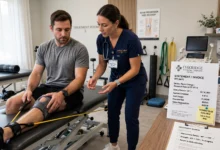
If you’ve never been, a first physical therapy visit is more thorough than most people expect. A licensed physical therapist will typically:
- Ask about your symptoms, medical history, and how the issue affects your daily life
- Watch you perform basic movements to assess strength, flexibility, and mobility
- Test the affected joint or area directly
- Build a personalized treatment plan based on what they find, rather than a generic exercise sheet
Depending on where you live, you may not even need a physician referral to get started. Many states allow direct access to physical therapy, meaning you can book an evaluation on your own. The American Physical Therapy Association’s ChoosePT resource explains that physical therapists rely on a mix of manual therapy, targeted exercise, and patient education to treat pain at its actual source, rather than just masking symptoms. It’s a good resource if you want to understand what to expect before your first visit.
Frequently Asked Questions
Do I need a doctor’s referral for physical therapy? In many states, no. Direct access laws allow you to see a physical therapist without a referral, though your insurance provider may still require one for coverage purposes. It’s worth checking with your plan before booking.
How many physical therapy sessions will I need? It depends entirely on the issue. A minor strain might resolve in a handful of visits, while post-surgical rehabilitation or chronic conditions can take several months of consistent sessions.
Is physical therapy only for injuries? No. Physical therapy is also used for chronic conditions like arthritis, general mobility maintenance, fall prevention, posture correction, and even certain headache and pelvic floor issues.
What if my pain isn’t that bad, just annoying? Annoying, low-grade pain that sticks around is still worth mentioning to a physical therapist. Catching a small problem early is almost always easier than treating one that’s had months or years to develop.
Final Thoughts
Your body rarely goes from “fine” to “seriously injured” overnight. Most of the time, there are warning signs first: pain that won’t quit, stiffness that won’t loosen, a joint that feels unreliable, or activities you’ve quietly given up on. Recognizing these signs you need physical therapy early, rather than waiting for things to get bad enough that you can’t ignore them, is what makes recovery faster and simpler.
If any of the eight signs above sound like your day-to-day experience, that’s your cue to book an evaluation with a licensed physical therapist rather than hoping it works itself out. The earlier you address it, the better your odds of getting back to moving, and living, without the extra effort or pain.