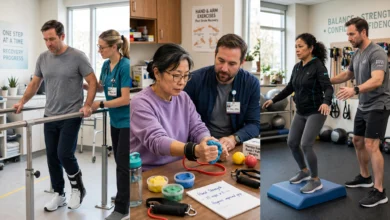
How to Find the Best Physical Therapist Near You
Learn how to find the best physical therapist near you with 7 practical steps covering credentials, specialties, insurance, and reviews.
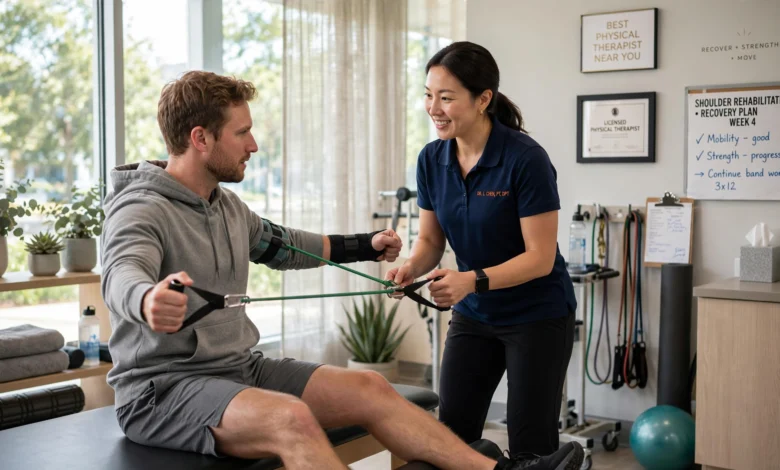
If you find the best physical therapist near you, it shouldn’t feel like a guessing game, but for most people, it does. You search online, scroll through a dozen clinic websites that all sound the same, ask a friend for a name, and still end up unsure if you’re making the right call. That uncertainty matters more than people realize. The physical therapist you choose has a direct effect on how fast you recover, how much pain you deal with along the way, and whether you actually get back to doing the things you enjoy.
This guide walks you through exactly how to find a physical therapist near you who’s qualified, experienced, and genuinely a good fit for your situation. We’ll cover how to check credentials, what questions to ask before your first visit, how insurance and direct access laws affect your options, and the red flags that mean it’s time to look elsewhere. Whether you’re recovering from surgery, managing chronic back pain, healing a sports injury, or just trying to move better as you get older, the process of choosing a physical therapist is largely the same. It just takes a bit of know-how to do it well.
By the end of this article, you’ll know exactly what to look for, what to avoid, and how to walk into your first appointment with confidence instead of doubt.
Why Choosing the Right Physical Therapist Actually Matters
Not all physical therapy experiences are created equal. Two people with the same knee injury can have completely different outcomes depending on who’s treating them, how personalized the plan is, and how well the therapist communicates.
A good physical therapist does more than hand you a printout of stretches. They:
- Take a real history of your injury or condition, not just a quick glance
- Test your movement, strength, and range of motion before deciding on a plan
- Adjust your treatment as you progress instead of running the same routine every visit
- Explain why you’re doing each exercise, not just what to do
- Coordinate with your doctor or surgeon when needed
On the flip side, a mismatched therapist, one who’s overbooked, undertrained in your specific condition, or just not a good communicator, can slow your recovery or leave you frustrated enough to quit therapy altogether. That’s the real cost of skipping the research step.
Step 1: Identify Your Specific Needs Before You Start Searching
Before you type “physical therapist near me” into Google, take a minute to think about what you actually need help with. Physical therapy is a broad field, and therapists often specialize in specific areas, similar to how doctors have specialties.
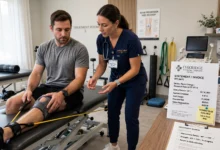
Common specialties include:
- Orthopedic therapy – for musculoskeletal injuries like sprains, fractures, and joint replacements
- Sports medicine – for athletes recovering from injury or looking to improve performance
- Neurological therapy – for conditions like stroke, Parkinson’s disease, or multiple sclerosis
- Pediatric therapy – for developmental delays or injuries in children
- Geriatric therapy – focused on fall prevention, balance, and mobility in older adults
- Pelvic floor therapy – for postpartum recovery, incontinence, or pelvic pain
Knowing which category fits your situation narrows your search significantly. A physical therapist who mainly treats weekend athletes with ACL tears may not be the ideal match if you’re recovering from a stroke, and vice versa. If you’re not sure which category you fall into, your primary care doctor can usually point you in the right direction.
Step 2: Use a Trusted Directory to Find a Physical Therapist Near You
Once you know what kind of care you need, the next step is building a shortlist. A few reliable ways to do this:
Ask for Referrals
Your doctor, surgeon, or specialist often has a list of therapists they trust, especially for post-surgical care. Friends, family, or coworkers who’ve had a similar injury can also point you toward someone worth calling.
Use an Official Directory
The American Physical Therapy Association runs a searchable database called <a href=”https://www.choosept.com/find-a-pt” target=”_blank” rel=”noopener”>Find a PT</a>, which lists licensed professionals by location, specialty, and whether they offer telehealth or home visits. Since it only includes active APTA members, it’s a solid starting point when you want to find the best physical therapist without sorting through unverified listings.
Check Online Review Platforms
Sites like Google Business Profiles and Healthgrades let you filter by distance, specialty, and patient rating. Reviews aren’t the whole picture, but a consistent pattern (good or bad) across dozens of reviews tells you something real about how a clinic operates.
Search Local Hospital Networks
If you’re recovering from a surgery or major medical event, ask the hospital’s discharge team for a list of affiliated outpatient clinics. These are often vetted through the hospital’s own referral network.
Step 3: Verify Credentials and Licensing
This is the step people skip most often, and it’s one of the most important. Not everyone offering “physical therapy” is a licensed physical therapist.
Here’s what to check:
- Look for PT or DPT after their name. PT stands for Physical Therapist; DPT stands for Doctor of Physical Therapy, which is now the entry-level degree for the profession in the U.S.
- Confirm active licensure. Every state has a licensing board where you can verify that a therapist’s license is current and in good standing.
- Check for board certification. Some therapists pursue advanced certification in a specialty area (like orthopedics or sports) through the American Board of Physical Therapy Specialties. This isn’t required to practice, but it does signal deeper expertise in that area.
- Ask about continuing education. Physical therapy techniques evolve. Therapists who regularly complete continuing education courses tend to stay current on newer, evidence-based treatment methods.
Skipping this step can mean ending up with someone unqualified to handle your specific condition, which wastes time, money, and can occasionally make things worse.
Step 4: Ask the Right Questions Before Booking
Once you’ve narrowed your list to two or three clinics, a quick phone call can save you a wasted first visit. Questions worth asking:
- Do you have experience treating my specific condition?
- What does a typical treatment plan look like for someone in my situation?
- Will I see the same therapist at every visit, or does it rotate?
- How long are sessions, and how many patients does the therapist see at once?
- Do you accept my insurance, and what will my out-of-pocket cost look like?
- Do you offer telehealth or home visits if I can’t make it in person?
Pay attention not just to the answers but to how the front desk or therapist responds. A clinic that’s evasive about cost or vague about experience is worth a second look before committing.
Step 5: Understand Insurance and Direct Access Rules
Cost is often the deciding factor in choosing a physical therapist, so it helps to understand the basics before you commit.
- Check your insurance network. In-network providers typically cost less out of pocket than out-of-network ones. Call your insurance company directly to confirm coverage and your expected copay.
- Ask about your deductible. If you haven’t met your annual deductible, you may be responsible for the full session cost until you do.
- Look into direct access laws. Most states now allow some form of direct access, meaning you can see a physical therapist without a doctor’s referral first. However, insurance requirements can still vary, so it’s worth confirming with your provider before assuming you can skip the referral step.
- Ask about self-pay or sliding scale options. Some clinics offer discounted rates for patients who choose to pay out of pocket rather than go through insurance.
Getting this sorted early prevents unpleasant billing surprises after you’ve already started treatment.
Step 6: Evaluate the Clinic’s Approach and Technology
Not every clinic operates the same way, and the treatment style matters just as much as the therapist’s credentials.
Things worth noticing during your first visit or consultation:
- Hands-on time. Does the therapist actually work with you one-on-one, or are you mostly handed a sheet of exercises and left with an aide?
- Manual therapy techniques. Many effective treatment plans combine exercise therapy with manual therapy (hands-on joint and soft tissue work) rather than relying on one approach alone.
- Equipment and facility. A clean, well-equipped space isn’t everything, but it does reflect how a clinic invests in patient care.
- Use of telehealth. Some clinics now offer virtual check-ins between in-person visits, which can be useful if you have a busy schedule or limited mobility.
None of these factors alone determine whether a clinic is good, but together they paint a picture of how seriously a practice takes patient outcomes versus volume.
Step 7: Trust Your Comfort Level
At the end of the day, a lot of physical therapy success comes down to communication and trust. You’re going to be spending time with this person, often weekly, sometimes for months, and you need to feel comfortable being honest about your pain levels, your progress, and your concerns.
Signs you’ve found the right fit:
- The therapist listens before jumping to conclusions
- They explain the reasoning behind your treatment plan in plain language
- They adjust the plan when something isn’t working
- You feel like a person, not a number on their schedule
If something feels off after a session or two, it’s okay to switch. Recovery is hard enough without also fighting to be heard by the person meant to help you.
Red Flags to Watch For
While most physical therapists are competent and caring professionals, a few warning signs suggest it might be time to look elsewhere:
- The therapist rarely does hands-on assessment or reassessment
- You’re rushed through sessions with little individual attention
- They can’t clearly explain why you’re doing a particular exercise
- There’s no attempt to track or measure your progress over time
- Continuing education or licensing details are vague when you ask
Trusting your gut here is reasonable. If a clinic feels more focused on turning over appointments than on your recovery, it’s fair to look for another option.
Frequently Asked Questions
How do I verify a physical therapist’s license? You can check with your state’s physical therapy licensing board, or search the American Physical Therapy Association’s Find a PT directory, which only lists active, licensed members.
Do I need a doctor’s referral to see a physical therapist? In most U.S. states, direct access laws allow you to see a physical therapist without a referral first. That said, some insurance plans still require one for coverage purposes, so it’s worth double-checking with your provider.
What happens during a first physical therapy visit? Expect a review of your medical history, a physical evaluation of your strength, mobility, and pain points, and a conversation about your goals. From there, the therapist typically outlines an initial treatment plan.
How many sessions will I need? This depends entirely on your condition, its severity, and how you respond to treatment. Some people need a handful of sessions; others need ongoing care over several months. A good therapist will give you a realistic estimate after your evaluation rather than committing you to a fixed package upfront.
What’s the difference between a physical therapist and a physiotherapist? In most cases, these terms describe the same profession, physiotherapist is simply more common terminology outside the U.S. Both refer to licensed professionals trained to treat movement and musculoskeletal conditions.
Conclusion
Finding the best physical therapist near you comes down to a handful of manageable steps: figure out what kind of care you actually need, build a shortlist using trusted directories and referrals, verify credentials and licensing, ask direct questions about experience and cost, understand your insurance and direct access options, evaluate how the clinic actually treats patients, and finally, trust your own comfort level once you’re in the room.
None of this requires special expertise, just a bit of patience before you commit. Take the time to do this well, and you’ll walk into physical therapy with a provider who actually understands your condition, communicates clearly, and gives you a real shot at a faster, more complete recovery.