Physical Therapy for Back Pain: Exercises That Actually Work
Physical therapy for back pain: 7 proven exercises that actually work, backed by research, to build strength, ease pain, and stop it from coming back.
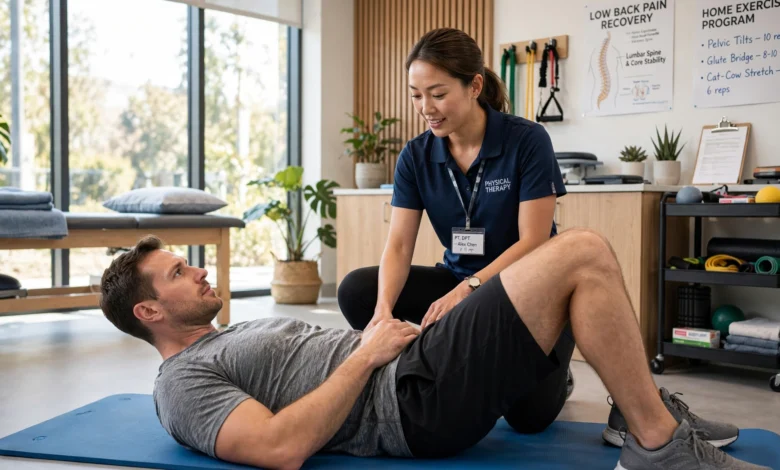
Physical therapy for back pain isn’t just stretching until you feel a little looser. Done right, it’s a structured way to rebuild strength, restore mobility, and get your spine working the way it’s supposed to. If you’ve ever typed “back pain exercises” into Google at 2 a.m. because you couldn’t get comfortable in bed, you already know how frustrating vague advice can be. Most articles list a handful of stretches and call it a day. This one goes further.
Roughly 80% of adults will deal with low back pain at some point in their lives, and a good chunk of them end up with pain that sticks around longer than it should. The encouraging part is that physical therapy exercises for back pain are one of the most consistently effective, non-invasive ways to deal with it. No pills, no procedures, just movement done correctly and often enough to matter.
In this guide, we’ll walk through what actually causes most back pain, which physical therapy exercises are backed by real clinical use (not just Instagram trends), how to do them safely, and how to build them into a routine you’ll actually stick with. We’ll also cover when exercise isn’t enough and you need to loop in a licensed physical therapist instead of guessing on your own.
Understanding Back Pain Before You Start Exercising
Before jumping into any back pain exercise routine, it helps to understand what’s actually going on in your spine. Back pain generally falls into two broad categories, and mixing them up can make your pain worse instead of better.
Musculoskeletal Back Pain
This is the most common type, and it involves the muscles, ligaments, and joints around your spine rather than the nerves themselves. It’s usually caused by:
- Prolonged sitting or poor posture
- Muscle strain from lifting or sudden movement
- Weak core and glute muscles that leave the lower back doing too much work
- General deconditioning from an inactive lifestyle
This kind of pain responds especially well to physical therapy for lower back pain, because strengthening and mobility work directly address the root cause.
Neurological Back Pain
This involves the nerves, spinal cord, or nerve roots, and it’s often linked to conditions like herniated discs or spinal stenosis. It tends to come with symptoms beyond just an achy back, including numbness, tingling, or pain that shoots down one leg.

This distinction actually matters a lot for exercise selection. Someone with spinal stenosis may find that bending backward (extension) worsens their symptoms, while someone with a disc issue may find that bending forward (flexion) does the same. Doing the wrong movement for your specific issue can genuinely set you back, which is one of the biggest reasons a proper evaluation from a physical therapist is worth the appointment before you dive into a home routine.
Why Physical Therapy Works for Back Pain
It’s tempting to think rest is the answer when your back hurts. Unfortunately, the opposite is usually true. When you stop moving, the muscles around your spine tighten up and get weaker, which piles more stress onto the very structures that are already irritated. That’s the cycle physical therapy is designed to break.
According to the Mayo Clinic, a structured routine of back exercises, done consistently, can meaningfully reduce pain and prevent it from recurring. A well-designed PT program for back pain typically works on several fronts at once:
- Improves spinal and hip mobility, so everyday movements like bending and twisting don’t put excess strain on one spot
- Strengthens the core and back muscles, giving your spine the support it needs to handle daily loads
- Restores healthy movement patterns, correcting habits (like always bending from the back instead of the hips) that quietly cause repeat injuries
- Reduces fear of movement, which sounds minor but is a huge factor; people who avoid all activity because they’re scared of pain often end up more deconditioned and in more pain long-term
The World Health Organization has actually ranked back pain as one of the conditions with the highest rehabilitation success rate, which is a reassuring stat if you’ve been dealing with this for a while and feel like nothing works.
7 Physical Therapy Exercises for Back Pain That Actually Work
These are the movements that show up again and again across clinical guidelines and physical therapy practices, not because they’re trendy, but because they consistently help. As always, if a movement causes sharp pain or pain that runs down your leg, stop and check in with a professional before continuing.
1. Pelvic Tilts
The posterior pelvic tilt is often the first exercise a physical therapist teaches, because it gently activates your deep core muscles without straining your back.
How to do it:
- Lie on your back with your knees bent and feet flat on the floor.
- Tighten your abdominal muscles and flatten your lower back against the floor.
- Hold for 5 seconds, then release.
- Repeat 10 times.
This move builds the mind-muscle connection you’ll need for almost every other exercise on this list.
2. Knee-to-Chest Stretch
This is one of the most widely recommended lower back stretches, and for good reason. It gently lengthens the muscles along your spine and glutes.
How to do it:
- Lie on your back with knees bent, feet flat.
- Use both hands to pull one knee toward your chest.
- Hold for 15-30 seconds, keeping your lower back pressed toward the floor.
- Switch legs, then repeat with both knees together.
- Do 2-3 rounds per side.
3. Cat-Cow Stretch
Cat-cow is a gentle mobility drill that moves your spine through flexion and extension, which helps loosen up stiff segments and improve overall range of motion.
How to do it:
- Start on your hands and knees, wrists under shoulders, knees under hips.
- Arch your back upward (cat), tucking your chin and pelvis.
- Slowly reverse into a downward arch (cow), lifting your head and tailbone.
- Move slowly between the two positions for 8-10 repetitions.
This is a great one to do first thing in the morning, when the spine tends to be stiffest.
4. Bird Dog
Bird dog is a staple in almost every core strengthening exercise for back pain, because it trains stability without loading the spine heavily.
How to do it:
- Start on your hands and knees.
- Extend your right arm forward and your left leg backward at the same time, keeping your hips level and your core braced.
- Hold for 5 seconds, then return to start.
- Repeat on the other side.
- Aim for 8-10 reps per side.
The key here isn’t how high you lift your leg, it’s keeping your spine still and your hips from rotating. Slow and controlled beats fast and sloppy every time.
5. Glute Bridges
Weak glutes are one of the most overlooked contributors to chronic lower back pain, because when they’re not doing their job, the lower back muscles compensate and get overworked.
How to do it:
- Lie on your back, knees bent, feet flat, arms at your sides.
- Press through your heels and lift your hips until your body forms a straight line from shoulders to knees.
- Squeeze your glutes at the top, hold for 2-3 seconds.
- Lower slowly and repeat for 10-15 reps.
6. Partial Curl-Ups
Traditional sit-ups put a lot of shear force on the spine, which is why physical therapists usually favor a modified version instead.
How to do it:
- Lie on your back, knees bent, feet flat.
- Cross your arms over your chest.
- Tighten your abs and lift your head and shoulders slightly off the floor.
- Hold briefly, then lower with control.
- Do 8-10 reps, focusing on quality over height.
7. Piriformis Stretch
The piriformis muscle sits deep in the glutes and, when tight, can refer pain into the lower back and down the leg, mimicking sciatica.
How to do it:
- Lie on your back with both knees bent.
- Cross one ankle over the opposite knee.
- Gently pull the uninvolved thigh toward your chest until you feel a stretch in the hip and glute of the crossed leg.
- Hold for 20-30 seconds, then switch sides.
Building a Weekly Routine That Actually Sticks
Doing one great session and then nothing for two weeks won’t get you very far. Consistency matters more than intensity when it comes to back pain rehabilitation. A practical structure most physical therapists recommend looks something like this:
- Daily mobility work (5-15 minutes): Cat-cow, knee-to-chest, and pelvic tilts to keep the joints moving and blood flowing.
- Strength training (3 sessions per week): Bird dogs, glute bridges, and partial curl-ups to build the support system around your spine.
- Movement breaks during the day: If you sit for long stretches, stand and do a quick pelvic tilt or knee-to-chest stretch every hour to offset the compression from sitting.
- Light cardio: Walking is one of the most underrated tools for back pain. It keeps the spine moving without loading it heavily.
Most people notice some improvement within the first couple of sessions, mainly from increased blood flow and looser muscles, but real, lasting change from a back pain exercise program typically takes four to six weeks of consistent effort. That timeline can feel discouraging if you’re in pain right now, but it’s a realistic one, and rushing it tends to backfire.
Common Mistakes That Slow Down Recovery
Even good exercises can fail to help if they’re done the wrong way. Some patterns worth watching for:
- Doing too much too soon. Ramping up intensity before your body is ready often causes flare-ups that make you want to quit altogether.
- Ignoring pain signals. A little muscle fatigue is normal; sharp, shooting, or radiating pain is not. That’s your cue to stop and reassess.
- Ping-ponging between exercises. Sticking with a small, consistent set of movements for a few weeks works better than constantly switching things up before your body adapts.
- Skipping the strength piece. Stretching feels good in the moment, but without strengthening the muscles that support your spine, the relief tends to be temporary.
- Staying completely sedentary out of fear. Rest has its place right after an acute injury, but prolonged inactivity almost always makes chronic back pain worse, not better.
When to See a Physical Therapist Instead of Going It Alone
Home exercises can go a long way, but they’re not a substitute for professional care in every situation. According to guidance summarized by the National Institute of Arthritis and Musculoskeletal and Skin Diseases, certain symptoms warrant a proper evaluation rather than a DIY approach. Reach out to a physical therapist or doctor if you notice:
- Numbness, tingling, or weakness running down one or both legs
- Pain that doesn’t improve after several weeks of consistent exercise
- Back pain following a fall, accident, or direct injury
- Loss of bladder or bowel control (this needs immediate medical attention)
- Pain that wakes you up at night or occurs alongside unexplained weight loss
A physical therapist can also identify which specific structures are involved and build a plan around your actual movement patterns, rather than a generic list of exercises. That distinction is often the difference between slow, frustrating progress and relief that actually holds up over time.
Frequently Asked Questions
How long does physical therapy for back pain take to work? Most people experience noticeable relief within four to six weeks of consistent exercise, though timelines vary depending on the cause and severity of the pain.
Can I do these exercises if I have a herniated disc? Some of them, yes, but certain movements (especially deep forward bends) can aggravate a herniated disc. It’s worth checking with a physical therapist before starting if you have a confirmed disc issue.
Is walking as good as physical therapy exercises? Walking is a great complement to a PT routine but isn’t a full substitute. It helps with circulation and general activity levels, while targeted strengthening addresses the specific muscle weaknesses driving your pain.
How often should I do back pain exercises? Daily mobility work paired with strength training three times a week is a solid, sustainable starting point for most people.
Conclusion
Physical therapy for back pain works because it treats the actual cause of the problem rather than just masking the symptoms. Building strength in your core and glutes, restoring mobility through your spine and hips, and staying consistent with a simple routine of exercises like pelvic tilts, bird dogs, and glute bridges can meaningfully reduce pain and lower the odds of it coming back.
Give it four to six weeks of steady effort, pay attention to how your body responds, and don’t hesitate to bring in a licensed physical therapist if the pain persists or comes with numbness, tingling, or weakness. Back pain is common, but it’s also one of the most treatable conditions out there when you approach it with the right exercises and enough patience to let them work.